
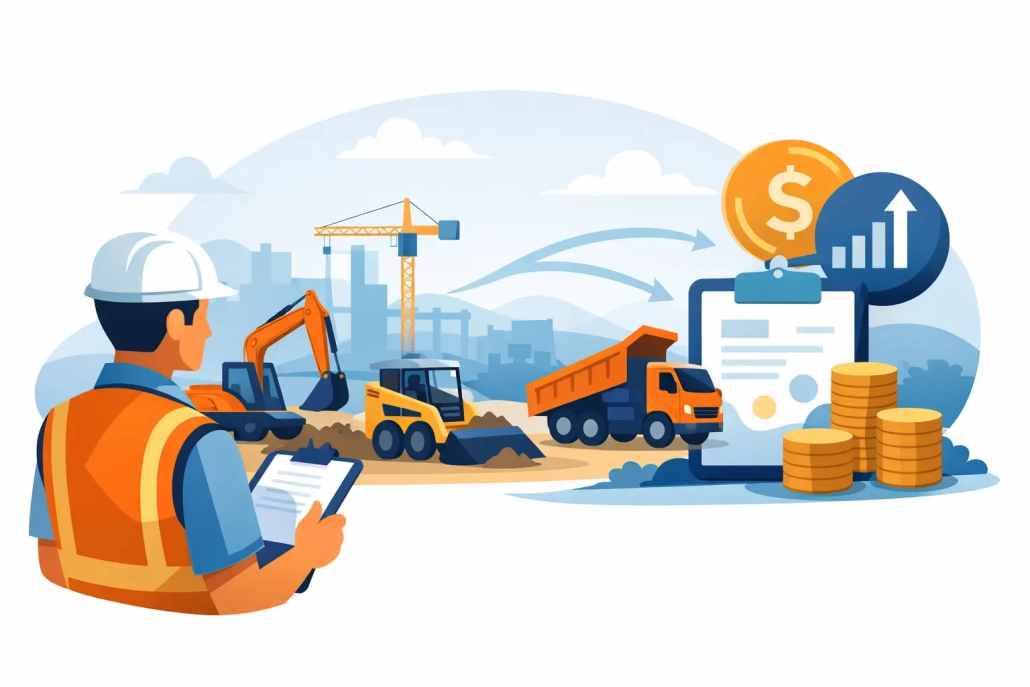
Contractor Equipment Financing That Keeps Jobs Moving
A broken skid steer, a truck that will not pass inspection, or a rental bill that keeps climbing can put a profitable job at risk fast. Contractor equipment financing gives established construction businesses a way to secure the machines they need without draining the cash required for payroll, materials, fuel, and subcontractors.
For contractors, equipment is not a nice-to-have asset. It is how work gets done, invoices get issued, and crews stay productive. The right financing structure can help you take on larger jobs, replace unreliable machinery, or handle an urgent repair before a delay damages the customer relationship.
When Contractor Equipment Financing Makes Sense
Buying equipment with cash may look simpler, but tying up a large amount of working capital can create a different problem. Construction expenses rarely arrive one at a time. You may need to pay a supplier before a customer pays an invoice, cover payroll during weather delays, or purchase additional materials when a project scope changes.
Financing can make sense when the equipment will generate revenue or reduce an expensive operating cost. A contractor might finance an excavator to stop paying repeated rental charges, replace an older dump truck with one that needs fewer repairs, or purchase specialized tools needed to bid on commercial work. The goal is not just to acquire equipment. It is to protect cash flow while putting an income-producing asset to work.
Timing matters, too. Waiting several months to save for a purchase may mean turning down work now. If the expected profit from new or faster work exceeds the cost of financing, moving sooner can be a practical business decision. That said, financing is not automatically the right choice. If equipment will sit idle for much of the year or does not have a clear return, renting or buying used may be the better move.
Equipment Purchases Are Only One Need
Contractors often think of equipment financing as a loan used strictly to purchase a machine. That is one option, but construction businesses can need capital for related costs that do not fit neatly into an equipment invoice.
A new truck may require insurance, registration, upfitting, and initial maintenance. A piece of heavy machinery may require attachments, transport, operator training, or a larger materials budget for the jobs it enables. An equipment repair may be urgent, while the business also needs to maintain payroll until receivables come in.
In those situations, a business term loan, line of credit, or other working-capital solution may be worth considering alongside equipment-specific financing. The best fit depends on what you are funding, how quickly you need the money, and whether the expense is a one-time purchase or a recurring cash-flow need.
How to Match Financing to the Job
Start with the equipment’s role in your operation. If it will be used regularly for years and has a clear purchase price, a longer-term financing option may help keep monthly payments manageable. This can be a reasonable path for trucks, trailers, loaders, lifts, compactors, and other durable assets that support steady revenue.
If the need is immediate and shorter-term, flexible working capital may be more useful. For example, a contractor may need to repair a critical machine this week, buy a used unit from a local seller, or cover a deposit before a large project begins. Traditional equipment lenders can be slower or more restrictive with used equipment, private-party purchases, or businesses with imperfect credit.
A business line of credit can also help when equipment expenses come in stages. Instead of financing every smaller repair separately, you may be able to draw funds as needed for parts, maintenance, attachments, or seasonal readiness. The trade-off is that rates, repayment schedules, and available limits vary widely, so the monthly cost should always be reviewed before accepting an offer.
What Lenders Usually Look At
Lenders want to understand whether your business has the capacity to repay. Credit matters, but it is not the only factor. Many alternative financing providers also evaluate revenue, time in business, bank activity, existing obligations, and the purpose of the funds.
For contractors, consistent monthly sales can be especially important. A company with solid deposits, active contracts, and a reliable operating history may have options even if its owner has credit challenges or a past bankruptcy. On the other hand, a strong credit score alone may not solve a cash-flow problem if the business has inconsistent revenue or already carries heavy debt payments.
Before applying, gather the information that helps tell the business story clearly. This typically includes recent business bank statements, basic company details, average monthly revenue, time in business, and the amount you need. If you are purchasing a specific machine, an invoice, quote, or listing can also help explain the request.
Be direct about the use of funds. “Equipment” is broad. “Replacing a nonoperational service truck before the busy season” or “buying a mini excavator to complete three signed site-work contracts” gives a lender a more useful picture of the opportunity.
Compare the Offer Beyond the Payment
A low monthly payment can be appealing, but it should not be the only number driving the decision. Contractors should review the total repayment amount, the repayment frequency, the term length, any upfront fees, and whether there are penalties or restrictions for early payoff.
Daily or weekly payments may work for a business with steady deposits, but they can create pressure for contractors who receive larger milestone payments less often. Monthly payments may be easier to plan around, though the approval process or underwriting standards can differ. There is no universal best structure. Your payment schedule should match how your company actually collects revenue.
It is also smart to consider the equipment’s useful life. Financing a machine over a period that outlasts its productive value can leave you making payments on something that is no longer helping the business. For used equipment, build a realistic maintenance cushion into the budget rather than assuming the purchase price is the full cost.
Avoid Letting a Good Opportunity Create a Cash Squeeze
The strongest equipment purchase is one backed by a simple operating plan. Estimate the payment, insurance, fuel, maintenance, operator costs, and transportation. Then compare that number with the revenue the equipment should help produce or the rental and repair costs it should eliminate.
Do not base the decision on one ideal project. Construction schedules change, customers delay payments, and weather can affect production. A better test is whether the business can handle the payment during an average month, not only during its busiest month.
If a piece of equipment will allow you to complete more jobs, ask how quickly those jobs turn into cash. A machine that supports profitable work but leaves you short on payroll or materials can still strain the business. In some cases, splitting the need between equipment financing and working capital creates more breathing room than using every available dollar for the purchase alone.
Move Fast Without Rushing the Decision
When a critical machine goes down or a new contract requires equipment you do not own, speed matters. A lengthy bank process is not always practical for a contractor with crews waiting and deadlines approaching. Green Sea Funding helps established businesses explore financing options based on their revenue and operating history, including owners who may not fit a conventional bank’s credit profile.
The application process should be straightforward: know how much you need, have a clear reason for the funds, and review each offer with the realities of your cash flow in mind. The right financing can keep your crew working, protect your available cash, and give your business the capacity to say yes to the next profitable job.
Equipment should earn its place in your business every day. Choose financing that gives it the chance to do exactly that.





Leave a Reply
Want to join the discussion?Feel free to contribute!