
Construction Equipment Financing That Fits the Job

Construction Equipment Financing That Fits the Job

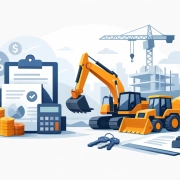
A skid steer that goes down during a busy week can cost more than the repair bill. It can delay a crew, push back a customer deadline, and leave payroll and material costs coming due without revenue from the job. Construction equipment financing gives contractors a way to secure the machinery they need without putting all available cash into one purchase.

For established construction businesses, the question is rarely whether equipment matters. The real question is how to pay for it while protecting the cash flow that keeps projects moving. The right financing structure depends on the machine, the job pipeline, your time in business, and how quickly you need to act.

When Construction Equipment Financing Makes Sense

Heavy equipment is expensive, but waiting to buy can be expensive too. A contractor may need an excavator to take on a larger site job, a dump truck to reduce hauling costs, or a replacement compact track loader after a major breakdown. Financing can spread that cost over time, allowing the business to preserve cash for labor, fuel, insurance, materials, and unexpected jobsite expenses.

It can also make sense when a machine is directly tied to new revenue. If a piece of equipment lets your company complete more work, eliminate rental fees, or keep a crew productive, the payment may be easier to justify. The key is to estimate the machine’s contribution conservatively. Do not assume every future bid will close or that every job will stay on schedule.

Equipment financing is not automatically the best answer for every purchase. A low-cost tool, a short-term equipment need, or a machine with expensive recurring repairs may call for a different approach. Renting can be smarter for specialized equipment used only a few times per year. Buying used may be practical when the machine has service records and parts are readily available. The goal is not simply to get approved. It is to choose a funding option that supports the way your company actually operates.

What Can Construction Equipment Financing Cover?

Construction businesses use financing for far more than brand-new yellow iron. Depending on the lender and your business profile, funding may help cover excavators, loaders, skid steers, backhoes, bulldozers, forklifts, cranes, trailers, dump trucks, concrete equipment, generators, compactors, and shop equipment.

It can also help with purchases that do not fit neatly into a traditional equipment loan. A used truck may need immediate repairs before it can enter service. A growing contractor may need attachments, safety equipment, GPS systems, or working capital alongside a machine purchase. In those cases, a business term loan or line of credit may offer more flexibility than financing tied strictly to one asset.

That distinction matters. Equipment-specific financing can provide favorable terms when the equipment itself serves as collateral. Flexible business funding may be a better fit when the purchase includes several costs, when the seller is private, or when the business needs cash available for the project startup expenses that come with new capacity.

Know the Numbers Before You Apply

A monthly payment is only one part of the decision. Before seeking funding, identify the full cost of putting the equipment to work. Include the purchase price, taxes, transportation, setup, attachments, maintenance, insurance, fuel, storage, and operator costs. A machine that appears affordable at the dealership can create pressure later if the total operating cost was overlooked.

Then compare that cost with realistic monthly revenue or savings. If you are replacing rented equipment, calculate what the business currently spends on rentals, delivery fees, and downtime. If you are adding capacity, look at signed contracts, recurring customers, and the average time between bid acceptance and payment. Construction revenue can be strong on paper while collections remain slow.

It also helps to decide how much cash you need to keep in reserve. Using every available dollar for a down payment may reduce borrowing costs, but it can leave little room for payroll, repairs, retainage, or a late customer payment. A financing plan that keeps working capital available can be worth more than the lowest possible monthly payment.

Match the term to the equipment’s useful life

Longer repayment terms can lower the monthly payment, which may help stabilize cash flow. However, they can increase the total cost of financing. Shorter terms typically cost less overall but require stronger monthly cash flow.

Try to avoid paying for a machine long after its productive life has ended. This is especially relevant with older equipment that may face more frequent repairs. On the other hand, financing a dependable, revenue-producing asset over a reasonable term can keep your business from draining cash needed for the next job.

What Lenders May Review

Traditional banks often focus heavily on credit scores, collateral, financial statements, and lengthy operating history. Those factors can matter, but alternative business financing may look more broadly at the health of the company, including revenue trends, time in business, existing obligations, and the purpose of the funds.

Be prepared to explain what you are buying and why it matters to your operation. A clear request is easier to evaluate than a vague request for capital. State the equipment cost, the seller, whether it is new or used, your desired funding amount, and how the machine will support revenue or reduce operating costs.

Lenders may also review recent business bank statements, average monthly sales, business age, and credit history. A credit challenge does not always end the conversation. Businesses that have dealt with past credit issues, including bankruptcy, may still have options if current revenue and operating performance support the request. Terms, rates, and available amounts can vary, so compare offers based on the total obligation and payment schedule, not just the headline rate.

Move Fast Without Rushing the Decision

Equipment deals can move quickly. Auctions close, a seller finds another buyer, or a broken machine forces an immediate decision. Fast funding can be valuable, particularly when equipment downtime is cutting into active jobs. But speed should not replace basic due diligence.

If you are buying used equipment, review maintenance records, hours, serial numbers, inspection reports, and any lien information available. Ask about known repairs and the availability of local service. A lower purchase price is not a bargain if the equipment sits waiting for parts during your busiest season.

Read the financing offer with the same discipline you would use for a project contract. Confirm the funded amount, payment frequency, term, fees, collateral requirements, and whether there are prepayment conditions. Daily or weekly payments may work for a business with steady deposits, while another contractor may need a monthly structure that better matches customer payment cycles.

Keep Equipment Funding Separate From Jobsite Cash Flow

The strongest equipment purchase can still create stress if it is funded without regard for the rest of the business. Construction companies commonly carry costs before receiving a customer payment. Materials may be ordered upfront, subcontractors need to be paid, and retainage can hold back a portion of revenue until later.

For that reason, consider equipment funding as part of a larger cash-flow plan. If a new loader helps you win work, make sure you also have a plan for fuel, labor, maintenance, and the gap between invoicing and collections. A line of credit or working-capital option may help cover operating costs while equipment financing handles the machine itself.

Green Sea Funding helps established businesses explore funding options built around their revenue, timing, and immediate needs. An online application can be a practical first step when you need to compare available offers without spending weeks in a traditional lending process.

The next machine should help your crew complete more profitable work, not create a payment that follows you from job to job. Start with the equipment need, run the cash-flow numbers honestly, and choose financing that leaves your business ready for what comes after the purchase.

Trucking Repair Financing When Downtime Costs

Trucking Repair Financing When Downtime Costs

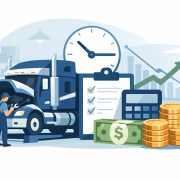
A truck sitting in a repair bay is not just a maintenance expense. It can mean missed loads, unhappy shippers, driver disruption, and revenue that stops while fixed costs keep moving. Trucking repair financing gives owner-operators and fleet owners a way to pay for urgent repairs without draining the cash needed for fuel, payroll, insurance, and daily operations.

When a transmission fails, an engine needs an overhaul, or a collision puts a unit out of service, waiting weeks for a traditional bank decision may not be practical. The right financing can help you authorize the repair, get the truck back on the road, and protect the working capital your business needs to keep running.

When Trucking Repair Financing Makes Sense

Not every repair needs outside capital. A routine tire replacement or scheduled service may fit into your normal maintenance budget. Financing becomes more useful when the repair is substantial, unexpected, or timed during a period when cash flow is already tight.

For example, a $15,000 engine repair may be manageable over several months but difficult to pay in one day. Paying the entire invoice from operating cash could leave too little for fuel cards, insurance premiums, driver pay, or a required load-related expense. In that situation, financing the repair may preserve the cash that keeps the rest of the business moving.

It can also make sense when the repair directly protects revenue. If a unit normally produces consistent weekly income, getting it back in service quickly may be more valuable than delaying the work while you build cash reserves. The question is not only whether you can pay the invoice today. It is whether paying it all today creates a new problem somewhere else in the operation.

Repairs That Can Create an Immediate Funding Need

Breakdowns are rarely convenient, and repair bills can grow once a shop begins diagnosing the issue. Trucking businesses often seek funding for major engine work, transmission and clutch repairs, aftertreatment or emissions-system repairs, trailer repairs, collision-related work, refrigeration-unit repairs, and replacement parts with high up-front costs.

A repair may also expose another issue. A truck that comes in for a cooling-system problem can need hoses, a water pump, belts, sensors, and labor in addition to the original diagnosis. Build a reasonable cushion into your funding request when the shop expects the final invoice to change after teardown.

For fleets, multiple units needing repairs at once can create a different kind of pressure. Even profitable carriers can experience a short-term cash crunch when several trucks are down, a customer payment is delayed, or a seasonal slowdown reduces available loads. Funding can bridge that gap so repairs do not have to wait.

Compare Financing Options by Speed and Repayment Fit

The best option depends on the repair amount, how quickly you need approval, your business revenue, and how predictable your monthly cash flow is. A lower advertised rate is not automatically the better deal if the underwriting process takes too long for an urgent repair. On the other hand, the fastest option may carry a higher overall cost, so it should fit the revenue the repaired truck is expected to generate.

A business term loan can work well for a large repair with a clear cost estimate and a repayment period that matches your budget. It generally makes more sense when you want predictable payments and have time to review terms carefully.

A business line of credit can be valuable for carriers that deal with recurring maintenance needs. Rather than applying from scratch for every repair, you may have access to a set credit limit and draw funds as needed. This can be especially useful for small fleets with variable repair costs throughout the year.

Short-term financing can be a practical choice when downtime is urgent and the business has dependable revenue. The goal is speed and immediate access to working capital, but owners should make sure the payment schedule works with their deposits, fuel costs, and receivables cycle.

A merchant cash advance may be considered by businesses that receive regular card sales or qualifying business deposits and need flexible underwriting. It is not a traditional loan, and its total cost and collection structure should be understood before accepting an offer. For trucking operators with thin margins, review the impact on daily or weekly cash flow closely.

What Lenders Look At Beyond the Repair Invoice

The repair estimate matters, but funding decisions often depend more on the overall health of the business. Alternative financing providers may evaluate your time in business, average monthly revenue, recent bank activity, existing obligations, and credit profile. Strong, consistent deposits can help demonstrate that the business has the capacity to repay.

Credit still matters, but it is not always the only factor. A past credit issue, low score, or bankruptcy does not necessarily end the conversation when the business has established revenue and a real operating history. That is one reason alternative financing can be useful for transportation businesses that do not fit a conventional bank’s narrow approval model.

Have your documents ready before a repair becomes an emergency. Recent business bank statements, a valid ID, basic business information, and the repair estimate can help move an application forward. If the truck is leased, financed, or titled under another entity, be prepared to explain that structure as well.

Calculate the Cost of Waiting

A repair quote can feel expensive, but downtime has a price too. Start by estimating the truck’s average weekly gross revenue, then subtract fuel, driver pay, and other costs that will not apply while the unit is parked. Next, consider expenses that continue whether the truck runs or not, such as insurance, truck payments, permits, and certain payroll obligations.

The result gives you a clearer picture of what each lost day is costing the business. A carrier grossing $6,000 per week may not lose the full $6,000 in profit when a truck is down, but it can still lose a meaningful amount of contribution margin while fixed costs continue. Delayed deliveries and lost customer confidence can add a cost that does not appear on the repair invoice.

That does not mean every repair should be financed. If the truck has repeated major issues, the better decision may be to evaluate replacement, restructuring your fleet, or reducing exposure to a unit with unreliable maintenance history. Financing a repair makes more sense when the truck has a reasonable path back to productive service.

Avoid a Repair Funding Decision That Creates More Pressure

Speed matters, but so does reading the offer. Before moving forward, confirm the funding amount, total payback, payment frequency, term length, and any fees. Ask how early payoff works and whether there is a benefit to paying the balance ahead of schedule. You should also know when payments begin, especially if the repair will keep the truck off the road for several days.

Match the payment schedule to the way your company gets paid. A business that receives large customer payments every 30 days may need a different structure than an owner-operator with frequent settlements. If your receivables are slow, daily payments can create strain even when the repair itself was necessary.

It also helps to separate the repair decision from the financing decision. Get a detailed estimate from a reputable shop, ask what is included in labor and parts, and find out whether the quoted work carries a warranty. An unclear invoice can turn a manageable funding request into a larger-than-expected obligation.

Get Capital Ready Before the Next Breakdown

The best time to understand your financing options is before a truck is down. Keep maintenance records organized, monitor cash flow by unit, and set aside reserves when freight revenue is strong. A reserve fund is still valuable even if you use financing, because it gives you more flexibility in choosing the amount and repayment terms that make sense.

For established carriers that need fast working capital, Green Sea Funding can help business owners review financing options based on their revenue, time in business, and immediate repair needs. The application process is designed to be straightforward, with funding options for businesses that need to make decisions quickly.

A breakdown can put real pressure on a trucking business, but it does not have to force a rushed decision that harms cash flow for months. Keep your repair estimate, bank records, and revenue details available, then choose funding that helps put a productive truck back to work without sidelining the rest of your operation.

Restaurant Cash Flow Financing That Keeps Service Moving

Restaurant Cash Flow Financing That Keeps Service Moving

A packed dining room does not always mean cash is available in the bank. Restaurants often pay for food, labor, rent, utilities, and repairs before card payments, catering invoices, or weekend sales fully settle. Restaurant cash flow financing gives established operators a way to cover those timing gaps without putting daily service on hold.

The right funding can help you make payroll before a holiday weekend, replace a failing walk-in cooler, stock up before patio season, or take advantage of a supplier discount. The key is matching the financing structure to the reason you need capital and the way your restaurant brings in revenue.

Why Restaurant Cash Flow Gets Tight

Restaurant margins leave little room for surprises. Food costs can rise without warning, a key employee may need to be replaced, or an oven can fail in the middle of a busy shift. At the same time, revenue can be uneven. Weather, local events, construction near your location, seasonal traffic, and changing customer habits all affect weekly sales.

Even profitable restaurants can feel pressure when money comes in later than expenses go out. A catering business may wait 30 days for an invoice payment. A full-service restaurant may have a slow January after strong holiday sales. A new location can require more inventory and staff training before it reaches its normal sales volume.

That is where working capital can be practical. Financing is not a substitute for fixing an unprofitable operation. It is a tool for a business with revenue that needs to manage a short-term gap, protect operations, or fund a clear opportunity.

Restaurant Cash Flow Financing Options

There is no single best option for every restaurant. A one-time equipment repair calls for a different approach than ongoing inventory purchases or a planned expansion.

Business term loans

A business term loan provides a lump sum that is repaid on a set schedule. It can make sense when you know the amount you need and have a defined use for the money, such as renovating a dining room, purchasing equipment, adding a delivery vehicle, or opening a second location.

Longer repayment periods may reduce the payment amount, but they can also increase the total cost over time. Short-term loans can provide faster access to capital for immediate needs, although payments may be more frequent. Review the payment schedule against your normal sales cycle before accepting an offer.

Business lines of credit

A line of credit gives you access to a set amount of capital that you can draw as needed. This can work well for recurring expenses that change from month to month, including inventory, seasonal payroll, minor repairs, and marketing campaigns.

Instead of taking a full lump sum upfront, you use only what your operation needs. That flexibility can be valuable for owners who want a backup source of working capital before a slow period hits. Availability, draw fees, repayment terms, and renewal requirements vary by lender, so compare the full structure rather than focusing only on the credit limit.

Merchant cash advances

For restaurants with steady credit and debit card sales, a merchant cash advance may offer a fast option. Funding is provided in exchange for a portion of future receivables, often repaid through daily or weekly withdrawals.

This structure can be useful when speed matters and traditional credit standards are difficult to meet. It can also be expensive, especially if daily revenue softens. Before moving forward, make sure you understand the total payback amount, the collection method, and whether the expected withdrawals leave enough room for payroll, food costs, and rent.

SBA and longer-term financing

SBA loans and other longer-term financing may be a stronger fit for larger projects with a longer useful life. Think major renovations, real estate-related improvements, expansion, or substantial equipment purchases. These options can offer attractive terms for qualified businesses, but approval and funding may take longer than fast working-capital solutions.

If a refrigerator is down today, waiting weeks may not be realistic. If you are planning a buildout six months from now, taking time to pursue a lower-cost long-term option can be worth it.

What Restaurant Owners Should Compare Before Accepting Funding

Speed matters when service is at risk, but the first offer is not automatically the right one. Compare the financing based on the actual cash impact on your business.

Start with the total amount you will repay, not just the amount deposited. Ask whether the cost is expressed as an interest rate, factor rate, or fees. These are calculated differently, so a low-looking number may not tell the whole story.

Next, look at payment frequency. Daily payments can work for a restaurant with reliable card volume, but they may be harder to manage during a seasonal slowdown. Weekly or monthly payments may better fit some operations. The best schedule depends on your sales pattern, fixed costs, and available cash reserve.

Also consider prepayment terms. Some financing allows you to reduce costs by paying early, while other products have a fixed payback amount regardless of how quickly you repay. Ask about origination fees, late fees, collateral requirements, personal guarantees, and any restrictions on using the funds.

A practical test is simple: after making the payment, can the restaurant still buy inventory, pay staff, and handle a normal unexpected expense? If the answer is no, the payment may be too aggressive for your current sales level.

How to Qualify for Restaurant Cash Flow Financing

Alternative financing providers typically look at more than a personal credit score. They may evaluate your average monthly sales, time in business, bank activity, card transactions, existing obligations, and the purpose of the funding.

A stronger revenue history generally creates more options. That does not mean a credit challenge automatically ends the conversation. Established restaurants with consistent deposits may qualify even if the owner has imperfect credit or a past bankruptcy. Terms and pricing will depend on the full financial picture.

Before applying, organize recent business bank statements, merchant processing statements if applicable, basic business information, identification, and details on any existing financing. Be accurate about revenue. Inflated sales numbers can delay an approval or result in an offer that does not match your actual ability to repay.

It also helps to be specific about the use of funds. “Working capital” is valid, but “cover two payroll cycles while a catering receivable clears” gives a clearer picture of the need. So does “replace a refrigeration unit to prevent product loss” or “buy inventory ahead of a high-volume event season.”

Use Funding to Protect Revenue, Not Just Cover Problems

The strongest financing decisions are connected to a measurable business result. A repair that keeps the kitchen open protects revenue. Extra inventory that supports a proven seasonal rush can generate sales. A targeted marketing campaign may make sense when you can track new customer traffic and repeat orders.

Be more cautious when financing is repeatedly used to cover losses with no operating change. If food costs, labor, rent, or debt payments are consistently outpacing revenue, capital alone may deepen the problem. Review your menu margins, vendor pricing, staffing levels, and sales mix alongside any financing decision.

For immediate operating needs, Green Sea Funding can help established restaurant owners compare working-capital options and move quickly after approval. The application process should be straightforward, but your decision should still be deliberate.

A restaurant runs on timing: prep before service, staff before the rush, inventory before the order. Choose financing with the same discipline. When the payment fits your sales cycle and the funds protect or create revenue, capital can keep your operation moving when it matters most.