
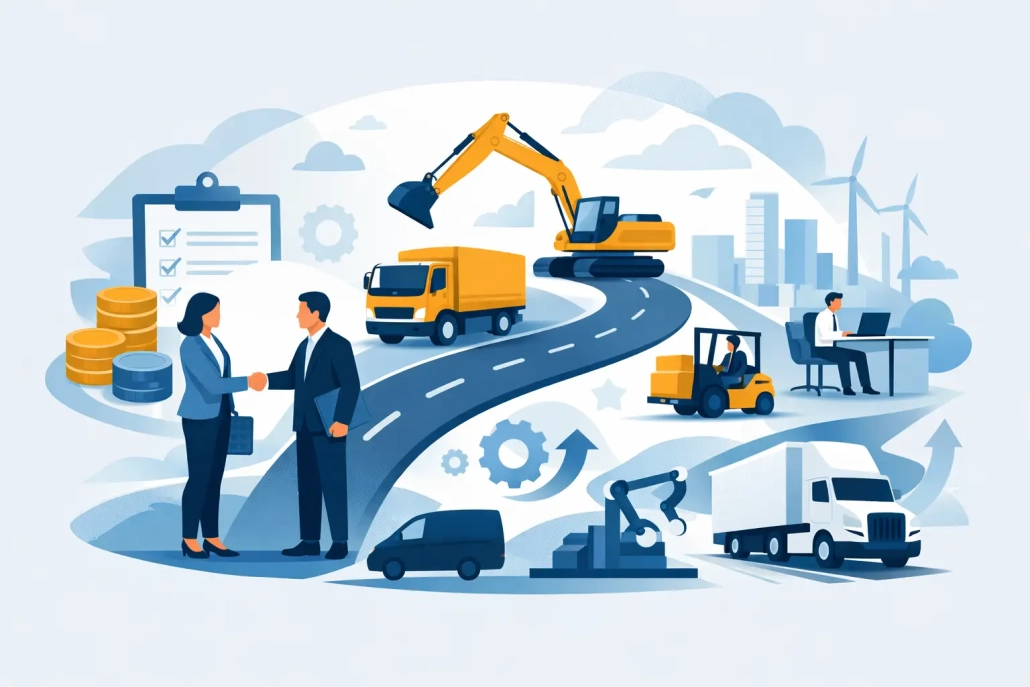
Equipment Financing That Keeps Business Moving
A failed lift in an auto shop, a truck that cannot make its route, or a construction crew waiting on a skid steer can turn into lost revenue fast. Equipment financing gives business owners a way to purchase or refinance essential assets without draining the cash needed for payroll, inventory, rent, repairs, and daily operations.
For many established businesses, the question is not whether equipment is necessary. It is whether paying the full price upfront makes sense. The right financing structure can help you put productive equipment to work now and repay the cost over time from the revenue it helps generate.
What Equipment Financing Can Cover
Equipment financing is business funding used to acquire the physical assets that keep an operation running. Depending on the lender and the equipment involved, financing may cover new or used purchases, replacements, upgrades, and sometimes refinancing for equipment you already own.
The equipment itself often helps support the transaction. That can make this option more practical than using an unsecured loan for a major purchase, although approval terms still depend on your business profile, revenue, credit, time in business, and the asset’s age and resale value.
Common uses include vehicles for trucking and transportation companies, commercial ovens and refrigeration for restaurants, diagnostic tools and lifts for auto repair shops, salon chairs and treatment equipment, manufacturing machinery, point-of-sale systems, medical equipment, and construction machinery. eCommerce companies may use funding for warehouse equipment, packaging systems, or inventory-handling technology.
The best use case is equipment with a clear business purpose. If a purchase lets you take more jobs, produce faster, reduce downtime, or improve margins, it may be able to justify its monthly payment.
When Equipment Financing Makes Sense
Paying cash can be the right move when your business has strong reserves and the purchase will not put pressure on working capital. But many owners need their available cash for expenses that cannot wait: payroll on Friday, a seasonal inventory order, insurance, fuel, materials, or an unexpected repair.
Financing can preserve that flexibility. Instead of tying up $60,000 in a delivery van or $25,000 in a piece of shop equipment, you make scheduled payments while keeping more cash available for operations and growth.
It can be especially useful when equipment is directly tied to sales. A contractor that needs another excavator to accept a larger project, for example, may lose more by waiting than by taking on a manageable monthly payment. A restaurant replacing unreliable refrigeration may protect inventory, avoid service disruptions, and prevent emergency repair costs from stacking up.
That does not mean every equipment purchase should be financed. If the equipment will sit unused, becomes outdated quickly, or produces uncertain returns, taking on debt can create a payment without solving a business problem. Start with the revenue impact, not the price tag.
Equipment Financing vs. Other Business Funding
Equipment financing is designed around a specific asset. A term loan or line of credit is generally more flexible and can be used for a broader range of needs. The right choice depends on what your business needs most right now.
If you need a truck, machine, oven, or other defined asset, equipment financing can be a logical fit because the purchase is easy to document and the asset may serve as collateral. If you need to cover payroll, buy inventory, launch a marketing campaign, and repair equipment at the same time, a working capital loan or business line of credit may offer more flexibility.
A merchant cash advance may be considered by businesses with consistent card sales that need capital quickly, but it is structured differently from a traditional loan and should be reviewed carefully. It may fit a short-term need, while a longer-lived asset may be better matched with payments spread over a longer term.
The key is matching the funding term to the useful life of the equipment. Financing a machine expected to produce for years can be reasonable. Using a long repayment term for an expense that disappears in a few weeks usually deserves a closer look.
How to Evaluate an Equipment Financing Offer
The monthly payment matters, but it should not be the only number you review. A lower payment can come with a longer term, which may increase the total amount paid. A short term may reduce overall financing cost but put more pressure on monthly cash flow.
Before you choose an offer, look at the purchase price, down payment requirement, repayment term, payment frequency, total repayment, collateral terms, and any fees. Ask whether there is a prepayment policy if you expect to pay the balance off early. Also confirm whether the equipment is owned by your business at the end of the agreement or whether the structure includes a final buyout option.
For used equipment, lenders may also consider its condition, mileage, maintenance history, and remaining useful life. A well-maintained used truck or machine can be a smart purchase, but it needs enough productive life left to support the financing term.
Run the payment against a conservative revenue estimate. Do not base your decision only on your best month or a contract that has not been signed. If the payment still works during a slower period, the financing is more likely to support your business rather than strain it.
What Lenders May Review
Requirements vary, but most financing providers want to understand whether the business can repay the obligation and whether the equipment has real value. Revenue and operating history can matter as much as personal credit, particularly for alternative financing options.
Be ready to provide basic business information, recent bank statements, identification, and a quote or invoice for the equipment. More established businesses with steady sales and a clear operating history may have access to more options. Businesses with lower credit scores, past challenges, or even a bankruptcy may still qualify with certain providers, though terms and available amounts can differ.
Accuracy helps the process move faster. If your monthly sales fluctuate, present the real picture instead of guessing. If the equipment will replace broken machinery or fulfill a new contract, explain that. A clear use of funds gives financing partners a better understanding of the opportunity.
Avoid These Costly Mistakes
Fast funding is valuable when equipment is holding up revenue, but speed should not eliminate due diligence. Avoid financing more than you need simply because a larger amount is available. Extra capital can be useful for installation, delivery, or related upgrades, but every borrowed dollar should have a purpose.
Do not overlook the full cost of ownership. A truck may require insurance, registration, fuel, maintenance, and driver costs. A new machine may require electrical upgrades, training, software, permits, or downtime during installation. Build those expenses into your plan before signing.
It is also wise to compare the equipment seller’s financing with independent business financing offers. Dealer programs can be convenient, but convenience does not automatically mean the best term or structure for your company. Compare the total cost, repayment schedule, ownership terms, and how quickly you can access the equipment.
Get the Equipment Without Stalling Operations
When a critical asset is down or a growth opportunity is waiting, a lengthy bank process may not fit the moment. Alternative lenders can often evaluate revenue, time in business, and the purpose of the purchase alongside credit history, giving more business owners a path to funding.
Green Sea Funding helps established businesses explore fast financing options for equipment, working capital, and other operating needs. The application process is built to be straightforward: provide your funding amount, monthly sales, and business history, then review available offers and choose the one that fits your operation.
Same-day funding may be available after approval, depending on the financing product and application details. Terms, rates, and eligibility vary, so review the offer carefully and make sure the payment works with your normal cash flow.
The right equipment should do more than fill a gap in your shop, kitchen, warehouse, or fleet. It should help your business produce, serve, deliver, or sell with fewer interruptions. When the numbers support that outcome, acting quickly can keep a temporary equipment problem from becoming a lasting revenue problem.




Leave a Reply
Want to join the discussion?Feel free to contribute!